 some post
This is summary
Read More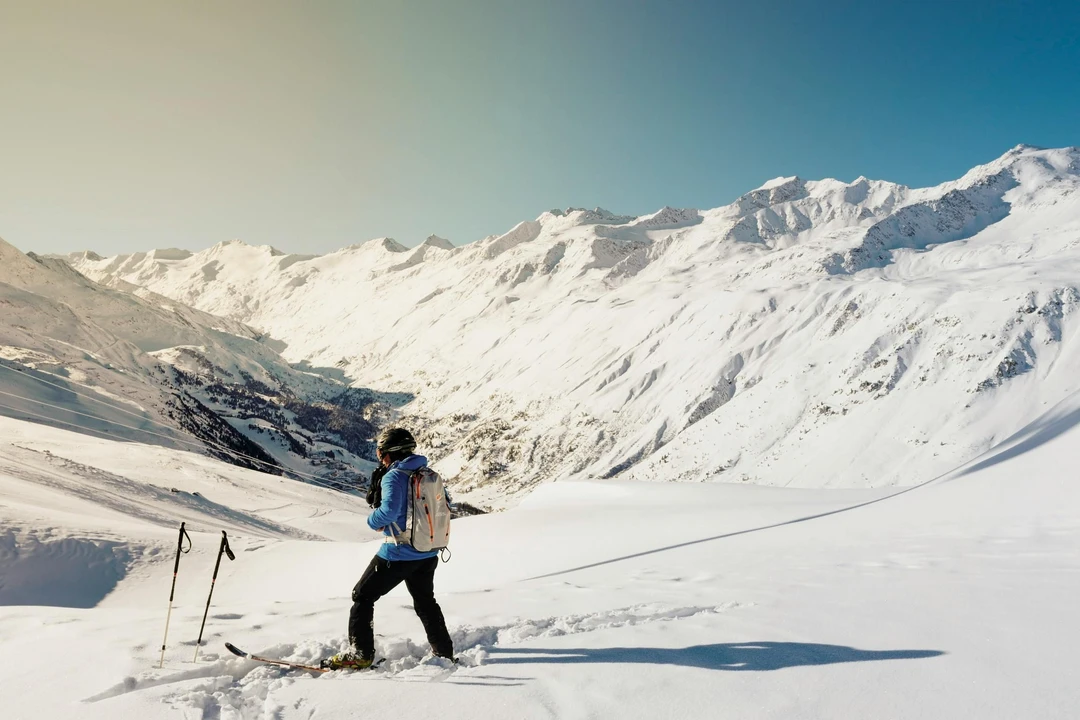
apan is a dream destination for skiers, famous for its fluffy powder snow, stunning mountain views, and charming ski towns. Whether you’re chasing epic runs in Hokkaido, cosy villages in Nagano, or planning a family-friendly trip, Japan has a slope for everyone. In this post, we will cover the best time to go, top resorts, costs, and how to stay connected with an eSIM from Sim Local so you can focus on having fun without any stress.
Japan’s ski season typically runs from November to late April, depending on the region. Northern areas like Hokkaido often see snow as early as November, while resorts in Nagano and Niigata usually open by mid-December.
If you’re chasing that perfect Japanese powder snow, plan your trip between late December and February. This is when snowfall is heaviest, and the slopes are at their peak. For fewer crowds and lower prices, March is great for sunshine and soft snow.
Japan has over 500 ski resorts scattered across the country, from popular spots like Niseko in Hokkaido to smaller, family-friendly slopes in Nagano and Tohoku. Whether you’re after a luxury lodge or a cosy mountain town with steaming hot springs, there’s something for everyone.
If you’re planning a week on the slopes, here’s a rough idea of the cost. A 7-day lift pass will cost around ¥28,000–¥42,000 (roughly €175-€260), and renting gear for a week usually comes to about ¥21,000 (€125). That means for a full week of just skiing, you’re looking at around ¥50,000–¥65,000 (€300-€385).
Japan is home to some of the best ski resorts in the world, offering everything from legendary powder snow to charming mountain villages. Whether you’re looking for big international resorts, quiet family-friendly slopes, or a taste of authentic Japanese culture, you’ll find the perfect spot for you. Here are some of the top spots you won’t want to miss on your ski trip to Japan.
Niseko is probably the most famous ski resort in Japan. The powder here is legendary, perfect for carving turns and catching some epic air. The resort has slopes for everyone, whether you’re a beginner or a seasoned pro. After a day on the mountain, you can relax in one of the many bars or restaurants.
Hakuba Valley has a big reputation thanks to the 1998 winter Olympics, and the slopes don’t disappoint. There’s a mix of runs for all levels, from easy cruisers to challenging downhill courses. The little villages around the valley are charming, with cosy lodges and traditional Japanese foodie spots. When you’re done skiing, you can warm up in a hot spring.
If you want to ski somewhere quiet and relaxed, Furano is the place to go. The snow is still amazing, and the views are unforgettable. It’s great for beginners and intermediates, with wide slopes that make learning fun.
The village has plenty of cosy spots to stay and public hot springs where you can relax after a long day skiing. The slopes cater to all levels, making it perfect for a family holiday. It’s a fantastic place if you want to ski during the day and experience real Japanese culture in the evenings.
Myoko Kogen is a hidden gem that has deep, fluffy snow without the huge crowds. There are runs for all skill levels, so whether you’re a beginner or an advanced skier, you’ll find something to enjoy. If you love authentic experiences and exploring smaller towns, Myoko Kogen won’t disappoint.
Staying connected while skiing in Japan is easier than you might think. With AU Japan eSIM from Sim Local you can have fast, reliable data on your phone from the moment you land. No hunting for a local SIM card or dealing with roaming charges. Sim Local is the only place in Europe where you can pick up an AU Japan eSIM, so you’re ready to hit the slopes as soon as you land.
Here are our top picks depending on how long you’ll be in Japan:
Thinking about trying it but not sure if you’re ready to commit? Try a free eSIM from Sim Local. You’ll be connected in no time, and you’ll see why 4 million customers worldwide trust us to keep them online while making memories.
klfgkflk;gk;dg
Most travel eSIM providers offer roaming-based eSIMs. These plans connect to local networks through third-party agreements, meaning your data is technically roaming even though you’re on an eSIM.
While the roaming plans setup offers wide coverage across many countries, it usually comes with trade-offs:
By contrast, a local eSIM plan such as from Sim Local connect you directly to the best local network operators in your destination. You get:
Full native network access for the fastest speeds and best coverage in your destination.
Local data rates, often can be cheaper than global roaming plans.
A local phone number, plus the ability to make and receive calls and texts.
That last point around a local phone number matters more than you might think. Having a local number helps with 2FA codes, taxi apps, restaurant reservations, and deliveries so it’s a small feature that makes being abroad even easier. Having a second phone number can be especially important to students, digital nomads and business travellers.
apan is a dream destination for skiers, famous for its fluffy powder snow, stunning mountain views, and charming ski towns. Whether you’re chasing epic runs in Hokkaido, cosy villages in Nagano, or planning a family-friendly trip, Japan has a slope for everyone. In this post, we will cover the best time to go, top resorts, costs, and how to stay connected with an eSIM from Sim Local so you can focus on having fun without any stress.
Japan’s ski season typically runs from November to late April, depending on the region. Northern areas like Hokkaido often see snow as early as November, while resorts in Nagano and Niigata usually open by mid-December.
If you’re chasing that perfect Japanese powder snow, plan your trip between late December and February. This is when snowfall is heaviest, and the slopes are at their peak. For fewer crowds and lower prices, March is great for sunshine and soft snow.
Japan has over 500 ski resorts scattered across the country, from popular spots like Niseko in Hokkaido to smaller, family-friendly slopes in Nagano and Tohoku. Whether you’re after a luxury lodge or a cosy mountain town with steaming hot springs, there’s something for everyone.
If you’re planning a week on the slopes, here’s a rough idea of the cost. A 7-day lift pass will cost around ¥28,000–¥42,000 (roughly €175-€260), and renting gear for a week usually comes to about ¥21,000 (€125). That means for a full week of just skiing, you’re looking at around ¥50,000–¥65,000 (€300-€385).
Japan is home to some of the best ski resorts in the world, offering everything from legendary powder snow to charming mountain villages. Whether you’re looking for big international resorts, quiet family-friendly slopes, or a taste of authentic Japanese culture, you’ll find the perfect spot for you. Here are some of the top spots you won’t want to miss on your ski trip to Japan.
Niseko is probably the most famous ski resort in Japan. The powder here is legendary, perfect for carving turns and catching some epic air. The resort has slopes for everyone, whether you’re a beginner or a seasoned pro. After a day on the mountain, you can relax in one of the many bars or restaurants.
Hakuba Valley has a big reputation thanks to the 1998 winter Olympics, and the slopes don’t disappoint. There’s a mix of runs for all levels, from easy cruisers to challenging downhill courses. The little villages around the valley are charming, with cosy lodges and traditional Japanese foodie spots. When you’re done skiing, you can warm up in a hot spring.
If you want to ski somewhere quiet and relaxed, Furano is the place to go. The snow is still amazing, and the views are unforgettable. It’s great for beginners and intermediates, with wide slopes that make learning fun.
The village has plenty of cosy spots to stay and public hot springs where you can relax after a long day skiing. The slopes cater to all levels, making it perfect for a family holiday. It’s a fantastic place if you want to ski during the day and experience real Japanese culture in the evenings.